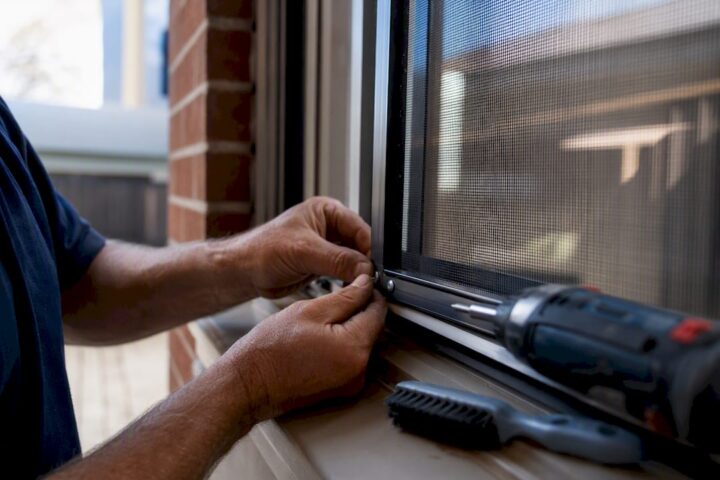
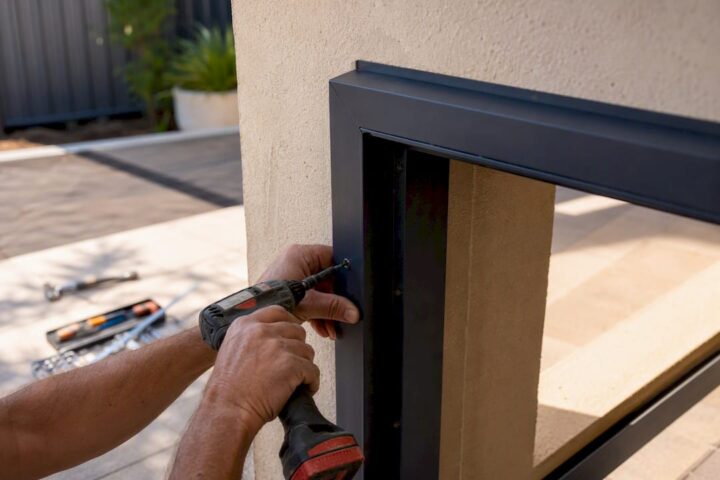
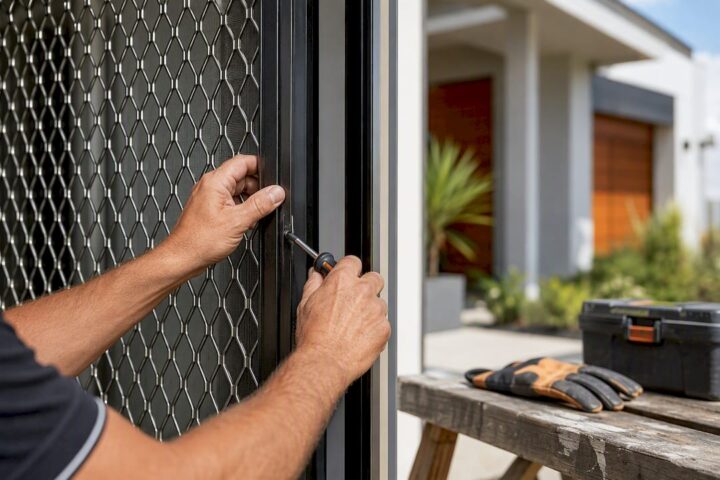
A security door is a tested physical barrier designed to resist forced entry. A screen door — whether sold as a flyscreen, safety screen, or security screen — is primarily designed for ventilation and insect control, and may offer little or no real protection unless it carries certification to an Australian Standard. The rule of thumb is straightforward: fit a certified security door on every main entry point, and use a screen door where airflow or insect exclusion is the priority.
CHOICE warns that in most states, a product labelled “security screen door” may only protect you against flies unless it can be shown to meet AS5039‑1:2023. That single standard is the clearest line between a door that resists a kick and one that does not.
Key takeaways
A certified security door tested to AS5039‑1:2023 is the only product that provides independently verified resistance to forced entry; a screen door, regardless of its label, is primarily a ventilation and insect-control product unless it carries the same certification.
| Point | Details |
|---|---|
| Certification is the deciding factor | Only products with an AS5039‑1:2023 test certificate have been independently verified for security performance. |
| Installation is half the equation | A compliant door fitted to a weak frame or with incorrect fixings can still fail; always request an AS5040 installation guarantee. |
| Labels are not evidence | “Security screen,” “safety screen,” and “security door” are marketing terms unless backed by a test certificate from the supplier. |
| Match the product to the entry point | Use a certified security door on main entries; a heavy-duty safety screen is appropriate for secondary openings where airflow is the priority. |
| Easterndoors | Provides custom manufacture, certified installation, and compliance paperwork for aluminium, steel, and stainless-steel security doors. |
Table of Contents
- Security door vs screen door: the core differences at a glance
- What makes a security door a security door?
- What a screen door is actually designed to do
- Australian Standards and how to verify compliance
- How materials and construction change real-world security
- Why installation and the door frame matter as much as the door
- Typical costs and how to budget for a compliant solution
- Pros, cons and practical use cases
- Maintenance and lifespan by material
- Decision checklist: questions to ask before you buy
- Why professional measurement, custom manufacture and certified installation matter
- The compliance gap is bigger than most homeowners realise
- Custom security doors from Easterndoors: consultation to certified installation
- Sources
Security door vs screen door: the core differences at a glance
The table below covers the eight decision dimensions homeowners ask about most.
| Dimension | Security door | Screen / safety door |
|---|---|---|
| Primary purpose | Resist forced entry | Ventilation, insect exclusion, light child/pet barrier |
| Security level | Tested to AS5039‑1:2023; resists impact, jemmy and pull | Varies widely; basic screens carry no security rating |
| Typical materials | Heavy steel, stainless-steel woven mesh, structural aluminium | Light aluminium grille, fibreglass mesh, basic aluminium frame |
| Ventilation and visibility | Moderate; mesh options allow good airflow | High; designed for maximum airflow and light |
| Typical cost drivers | Material grade, custom sizing, certified testing, installation | Frame weight, mesh type, standard vs custom sizing |
| Installation complexity | High; frame condition, fixings and clearances are critical | Low to moderate; standard frames usually sufficient |
| Maintenance and lifespan | 15–25 years with correct care; coastal environments need more attention | 5–15 years; mesh degrades faster in coastal or high-UV areas |
| Suitable use cases | Front entry, back entry, sliding door, veranda access | Bedroom windows, secondary doors, pet access, rental properties |
Three points worth highlighting from that comparison:
- The biggest trade-off is security versus airflow. A heavy steel door with a solid infill panel stops a forced entry attempt but limits ventilation. A mesh screen door breathes freely but offers little resistance to a determined intruder.
- Cost alone is not a reliable guide. A $350 door labelled “security screen” may be nothing more than a dressed-up flyscreen. Price matters less than whether the product has a test certificate.
- Red flag: any supplier who cannot produce AS5039‑1:2023 compliance paperwork for a product they call a “security screen door” is selling you something that has not been independently verified.
What makes a security door a security door?
A genuine security door is built to withstand physical attack at the three most common points of failure: the lock, the hinges, and the frame connection. Construction details that matter include:
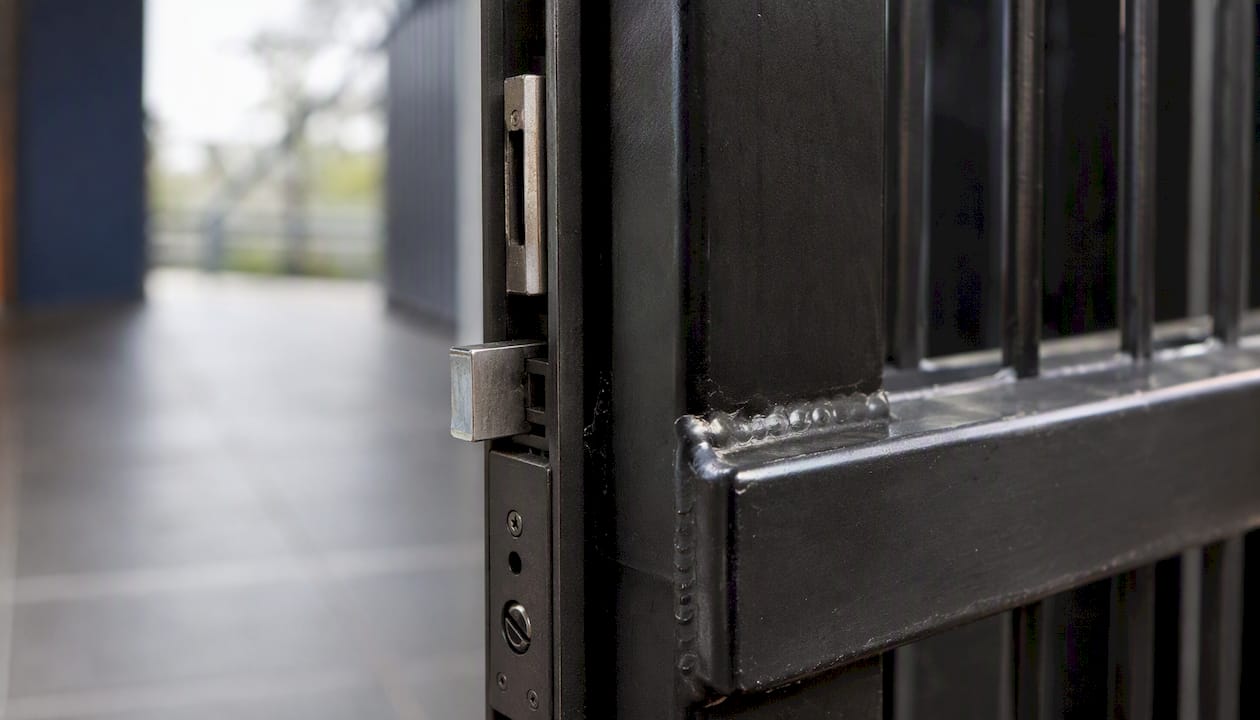
- Three-point locking systems that engage the frame at the top, bottom, and centre, distributing force across the full height of the door rather than concentrating it at a single deadbolt.
- Welded or heavy-rivet corners on the door frame itself, so the frame cannot be racked apart under impact.
- Fixed or security hinge pins that cannot be driven out from the outside, preventing hinge-side attacks.
- Receiver channels and close-tolerance frame fixings that anchor the door to the structural wall, not just the door jamb.
- Infill material rated for the relevant test: steel bars, woven stainless-steel mesh, or structural-grade perforated aluminium, each tested for impact, jemmy resistance and pull-through.
Security doors are most commonly fitted at front entries, rear entries, sliding door openings, and veranda or alfresco access points. These are the entry points that present the greatest forced-entry risk and where a compliant door makes the most practical difference. For guidance on choosing the right security door for each entry point in your home, the specifics of frame type and opening size matter considerably.
What a screen door is actually designed to do
Screen doors exist on a wide spectrum, and the terminology used to sell them does not always reflect their actual performance level.
At the basic end, a flyscreen door is a lightweight aluminium frame with fibreglass or thin aluminium mesh. Its job is to keep insects out while the main door is open. It offers no meaningful resistance to forced entry. A child leaning against it will test its limits.
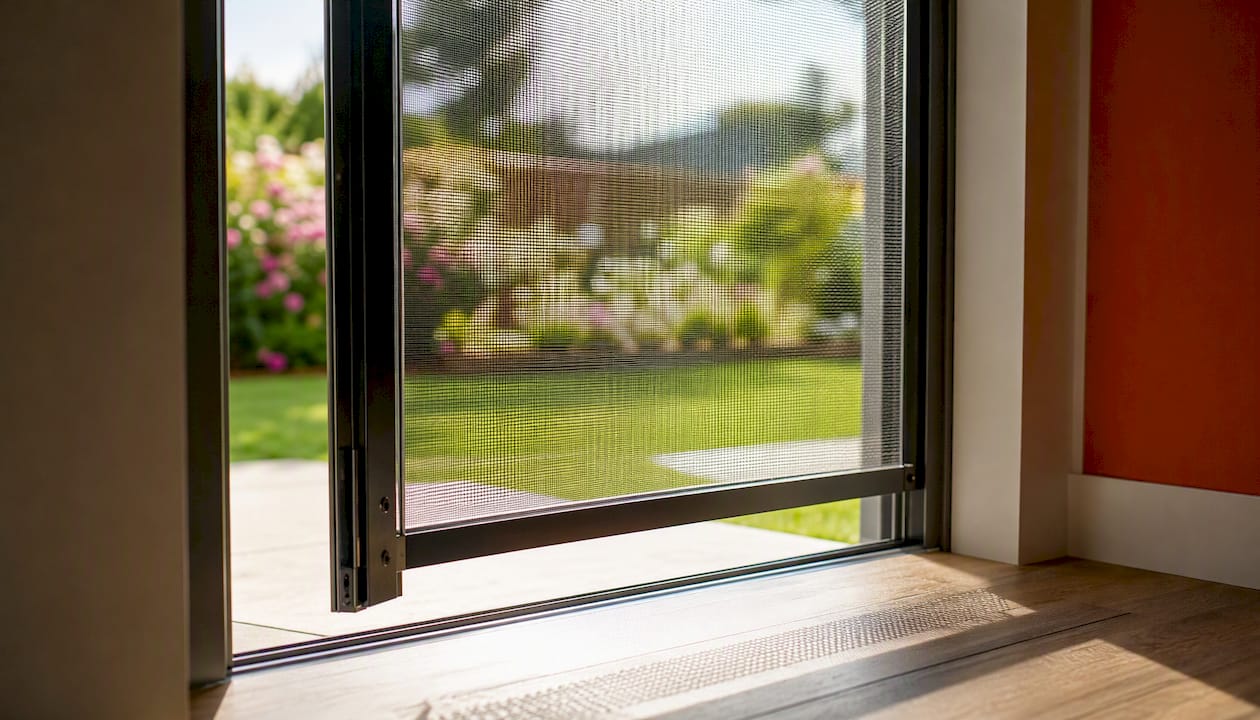
Heavier “safety screens” sit in the middle of the range. These use thicker aluminium frames and denser mesh, and they can deter opportunistic entry. They are not, however, the same as a certified security screen door unless they have been independently tested and carry a compliance certificate.
The terminology problem is real. Labels like “security screen,” “safety screen,” and “security door” are used interchangeably in retail settings, and none of them carry legal weight unless backed by a test certificate. CHOICE makes this point directly: the label alone is meaningless. What matters is whether the product has been tested to AS5039‑1:2023 and whether the supplier can prove it.
Screen doors do have genuine advantages. They allow cross-ventilation when the main door is open, they keep insects out, and lighter versions are well suited to bedroom windows, secondary entries, and situations where airflow is the primary concern. For window applications, window security screens follow the same compliance logic as door screens.
Australian Standards and how to verify compliance
Two standards govern this product category, and understanding what each one covers changes the questions you ask a supplier.
AS5039‑1:2023 — product performance. This standard sets the physical tests a security screen door must pass to claim that status. Tests include impact resistance (a simulated kick or body blow), jemmy resistance (a crowbar-style attack on the frame and mesh), and pull-through resistance (pulling the mesh away from the frame). A product that passes all three has been independently verified to resist the most common forced-entry methods.
AS5040‑2003 — installation. This standard covers how a door must be installed to perform as tested. A door that passes AS5039‑1:2023 in a laboratory can still fail in a real home if the frame is weak, the fixings are undersized, or the clearances allow jimmying leverage. AS5040 is the standard that governs those installation variables.
Before signing any contract, request these documents from your supplier:
- A copy of the product’s test certificate or compliance report referencing AS5039‑1:2023 by name.
- The specific test results (impact, jemmy, pull) — not just a claim that the product “meets Australian Standards.”
- A written installation method statement that references AS5040.
- A warranty document that specifies both product and installation coverage, and states what maintenance obligations apply.
- Confirmation that the installer is licensed or qualified to carry out the work.
The NSSA buying guide reinforces this checklist and adds that buyers should verify testing claims rather than accepting a supplier’s word. WA Police security guidance similarly recommends certified products and professional installers as the baseline for effective home security.
How materials and construction change real-world security
The infill material is the most visible difference between security doors, but the frame and joining method matter just as much.
| Material | Strength | Corrosion resistance | Cost tendency | Typical use |
|---|---|---|---|---|
| Steel bars / grille | Very high | Moderate (needs powder coat or galvanising) | Mid to high | Front entries, high-risk areas |
| Woven stainless-steel mesh | High | Excellent | High | Coastal, premium residential |
| Structural aluminium perforated sheet | Good when certified | Good | Mid | Standard residential entries |
| Light aluminium grille | Low | Good | Low | Screen doors, insect exclusion only |
CHOICE reports that industry experts rate properly constructed steel doors as the most effective option, with stainless-steel mesh a close second. Structural aluminium perforated sheet is an accepted lower-cost alternative when manufactured to the correct specification.
Beyond the infill, the construction details that most affect performance are welded versus riveted corners (welded is stronger), the depth and quality of the receiver channel that holds the mesh or grille, rivet spacing on mesh frames (closer spacing resists pull-through), and the lock body itself. A three-point lock on a well-welded frame with a deep receiver channel is a fundamentally different product from a single deadbolt on a light aluminium frame, even if both are sold under the same label.
Why installation and the door frame matter as much as the door
A compliant, well-built security door can be rendered ineffective by poor installation. This is one of the most consistently overlooked risks in the buying process.
The most common installation failures include:
- Weak or decayed door frames. A security door anchored to a rotting timber jamb or a poorly set aluminium frame will pull away under attack, regardless of how strong the door itself is.
- Undersized or incorrectly spaced fixings. The anchors that connect the door frame to the structural wall must be sized and spaced to the installation standard. Fewer fixings or smaller bolts reduce the load the frame can absorb.
- Excessive clearance gaps. Gaps between the door and frame that are too wide create jimmying leverage. A crowbar inserted into a wide gap can generate enough force to defeat even a strong lock.
- Incorrect hinge placement. Hinges set too close together or at the wrong height reduce the door’s resistance to hinge-side attacks.
Practical checks to request before installation:
- Ask to see the door frame before the door is ordered. A professional installer will assess frame condition and advise on any remediation needed.
- Request the installation method statement in writing, referencing AS5040.
- Ask whether the installer will check and adjust clearances on site, and whether the final installation is covered by a written guarantee.
Pro Tip: Ask your supplier for a written installation guarantee that specifically references AS5040‑2003. A supplier who cannot name the installation standard in their paperwork has likely not been trained to it. That single question separates qualified installers from those who are simply fitting doors.
For a detailed breakdown of what professional installation involves, the security door installation guide covers the method step by step.
Typical costs and how to budget for a compliant solution
Price ranges vary by material, custom sizing, and installation complexity. Based on CHOICE’s indicative figures, the approximate retail ranges are:
- Basic aluminium flyscreen door: around $250–$350 (supply only, standard size)
- Custom-compliant aluminium security door: from around $450, rising with size and finish
- Quality steel security door: from around $650
- Stainless-steel mesh options: typically from around $800 upwards
These figures are supply-only starting points. Installation, custom sizing, frame remediation, and coastal corrosion protection all add to the final cost. For a detailed breakdown of what drives the total price, the security door cost guide covers each variable.
The main cost drivers to factor into any budget:
- Material grade. Steel and stainless-steel options cost more than aluminium but offer higher security and, in the case of stainless, better corrosion resistance.
- Custom sizing. Non-standard openings require custom manufacture. This adds cost but also improves security by eliminating the clearance gaps that standard-size doors can leave.
- Certified testing. Products that carry independent test certificates cost more to manufacture. That cost is worth paying for main entry points.
- Installation complexity. A straightforward single-door replacement on a sound frame costs less than a sliding door conversion or a frame-remediation job.
- Coastal environment. Homes within a few kilometres of the coast need powder-coated or stainless-steel components to resist salt corrosion. Skipping this adds replacement costs within a few years.
A practical budgeting approach: prioritise the front entry and any rear entry that is accessible from a lane or shared space. A compliant door on the highest-risk entry point delivers more security value than a mid-range door on every opening.
Pros, cons and practical use cases
Security doors
Pros:
- Tested resistance to forced entry when certified to AS5039‑1:2023
- Three-point locking and robust frame connections address the most common attack methods
- Long lifespan (15–25 years with correct maintenance)
- Available in a wide range of materials, finishes and styles
Cons:
- Higher upfront cost than screen doors
- Heavier and more complex to install correctly
- Solid infill panels reduce ventilation compared to mesh options
Screen / safety doors
Pros:
- Excellent ventilation and natural light
- Lower cost; suitable for secondary entries and windows
- Lighter and easier to install
- Effective insect and basic child/pet barrier
Cons:
- Most products offer no tested security performance
- Labels like “security screen” are often unverified
- Mesh degrades faster in coastal or high-UV environments
- Frame and fixings are generally lighter and less resistant to attack
Practical use cases:
- Front door in a suburban or higher-risk area: a certified steel or stainless-steel security door is the right choice. Airflow is secondary to entry resistance here.
- Sliding door to a rear yard or alfresco: a certified security screen door with stainless-steel mesh balances security and ventilation well. Many homeowners fit both a security screen and a solid sliding door behind it.
- Bedroom windows: a heavy-duty safety screen or certified window screen is appropriate. The primary concern is ventilation and insect exclusion, with a secondary benefit of deterring opportunistic entry.
- Pet door or child-safety situation: purpose-built pet-door security screens exist and should still carry a compliance certificate if fitted to a main entry. For child safety on upper-floor windows, a certified screen with a restricted opening is the correct product.
- Rental property or investment: a compliant aluminium security door on main entries is a cost-effective baseline that satisfies most tenancy and insurance requirements.
Many homeowners end up fitting both products: a certified security door as the primary barrier on main entries, and screen doors or security screens on secondary openings where airflow is the priority. That combination gives the best of both without compromise.
Maintenance and lifespan by material
Routine maintenance is straightforward but often skipped, and skipping it shortens lifespan considerably.
For mesh infills (stainless-steel or aluminium), clean with a soft brush and mild detergent every few months. Avoid high-pressure washing, which can distort the weave and reduce pull-through resistance. Check the mesh-to-frame join annually for any lifting or separation at the receiver channel.
For steel grille and bar doors, inspect the powder coat or paint finish annually for chips or scratches, and touch up immediately. Bare steel in a coastal environment will begin to corrode within months. Lubricate hinges and the lock mechanism twice a year with a dry lubricant rather than oil, which attracts dust and grit.
For aluminium frames, wipe down with a damp cloth regularly. Anodised or powder-coated finishes are low maintenance, but check the frame corners and fixings annually for any movement or cracking.
Realistic lifespan expectations:
- Stainless-steel mesh in an inland environment: 20–25 years with correct care
- Powder-coated steel in an inland environment: 15–20 years
- Aluminium security door, inland: 15–20 years
- Any material in a coastal environment (within 5 km of the ocean): reduce those estimates by 30–40% without a corrosion-protection upgrade
When a door reaches the end of its useful life, the frame condition is the deciding factor on repair versus replacement. A sound frame with a worn mesh or damaged lock can often be repaired cost-effectively. A frame that has corroded, racked, or pulled away from the wall needs full replacement, and that is also the right moment to upgrade to a compliant product if the existing door was not certified.
Check your warranty carefully. Most manufacturer warranties cover product defects but not normal wear, corrosion from salt exposure, or damage caused by incorrect installation. A warranty that covers installation as well as the product is worth more than a product-only warranty.
Decision checklist: questions to ask before you buy
Work through these in order during any supplier consultation or site visit.
- What is the primary risk at this entry point? Forced entry risk (front door, rear lane access) points to a certified security door. Ventilation and insect control (bedroom window, secondary side door) may be adequately served by a heavy-duty safety screen.
- Does the product carry a test certificate to AS5039‑1:2023? Ask to see the certificate, not just a claim. If the supplier cannot produce it, the product has not been independently verified.
- What installation standard does the installer follow? The answer should reference AS5040. A blank look or a vague answer is a red flag.
- Is the door custom-made to the opening, or a standard size? Custom manufacture eliminates clearance gaps. Standard-size doors fitted to non-standard openings leave gaps that reduce security.
- What is the frame condition, and will you assess it before ordering? A qualified installer will inspect the frame and advise on any remediation before the door is manufactured.
- What does the warranty cover, and for how long? Confirm whether installation is covered separately from the product, and whether coastal or high-humidity environments affect the warranty terms.
- Are you licensed or accredited for this type of installation? Licensing requirements vary by state, but a supplier who cannot answer this question clearly warrants further scrutiny.
Red-flag answers to watch for:
- “It meets Australian Standards” with no certificate to show
- “Installation is straightforward” with no written method statement
- A very low price on a product described as a “security screen” with no test data
- Thin steel without galvanising or powder coating proposed for a coastal property
Next steps once you have answers: measure the opening yourself as a cross-check, request the compliance certificate in writing before signing, and compare at least two certified quotes. For sizing guidance, standard security door sizes explains what to measure and why tolerances matter.
Why professional measurement, custom manufacture and certified installation matter
The gap between a door that looks secure and one that actually performs under attack comes down to three things: how precisely it was measured, how it was manufactured, and how it was installed.
Professional measurement works to millimetre tolerances. A door manufactured to the exact dimensions of the opening sits flush in the frame, leaves no jimmying gap, and allows the lock and hinge fixings to engage correctly. A standard-size door forced into a non-standard opening introduces the very clearances that reduce security.
Custom manufacture means the receiver channels, hinge positions, and lock cutouts are designed for the specific door, not adapted from a generic template. Welded corners are set to the correct geometry. The infill material is tensioned and fixed to the frame at the correct spacing for the relevant test standard.
Certified installation ties the product’s tested performance to the real-world installation. A supplier who follows AS5040 will assess the frame, specify the correct fixings, set clearances within the standard’s tolerances, and provide a written guarantee that the installation meets the standard. WA Police guidance frames this well: security is the outcome of product plus installation, not product alone.
Homeowners should insist on:
- A written installation method statement referencing AS5040
- Compliance paperwork for the product (AS5039‑1:2023 certificate)
- A clear warranty covering both product and installation
- A named contact for aftercare, service, and repair
A supplier who provides all four of these without being asked is demonstrating the standard of service that a compliant installation requires. One who resists providing any of them is telling you something important about how the job will be done.
The compliance gap is bigger than most homeowners realise
Most articles on this topic spend their energy on aesthetics and price. That framing misses the point. The real question is not “which door looks more secure?” but “which door has been tested to resist the attack methods a real intruder would use?”
The compliance gap in this market is significant. A large proportion of products sold as “security screens” have never been independently tested. They look the part, they use the right language, and they are priced to seem credible. But without a test certificate referencing AS5039‑1:2023, there is no independent evidence that the product does what it claims.
The second gap is installation. Even homeowners who buy a genuinely compliant product often have it fitted by a general handyman or a builder who has never read AS5040. The door passes its laboratory tests and then fails in a real home because the frame was not assessed, the fixings were undersized, or the clearances were set by eye rather than by standard.
The practical implication is this: compliance paperwork and a written installation guarantee are not bureaucratic extras. They are the only objective evidence that the door you paid for will actually perform when it matters. Asking for them is not being difficult. It is being a careful buyer.
Custom security doors from Easterndoors: consultation to certified installation
Choosing between a security door and a screen door is only the first decision. Getting the right product correctly installed is where the real work happens, and that is exactly what Easterndoors delivers.
Easterndoors handles the full process: a detailed consultation to assess your entry points and risk profile, precise on-site measurement, custom manufacture to your exact opening dimensions, and certified installation with compliance paperwork included. Every door is built to the tolerances that AS5039‑1:2023 and AS5040 require, and every installation comes with a written guarantee. The range covers aluminium, steel, and stainless-steel options, so there is a compliant solution for every entry point, budget, and environment.
Browse the full door range or request a quote to arrange a site visit and get a written, certified proposal for your home.